(Fabric, Fit & Weight Explained)
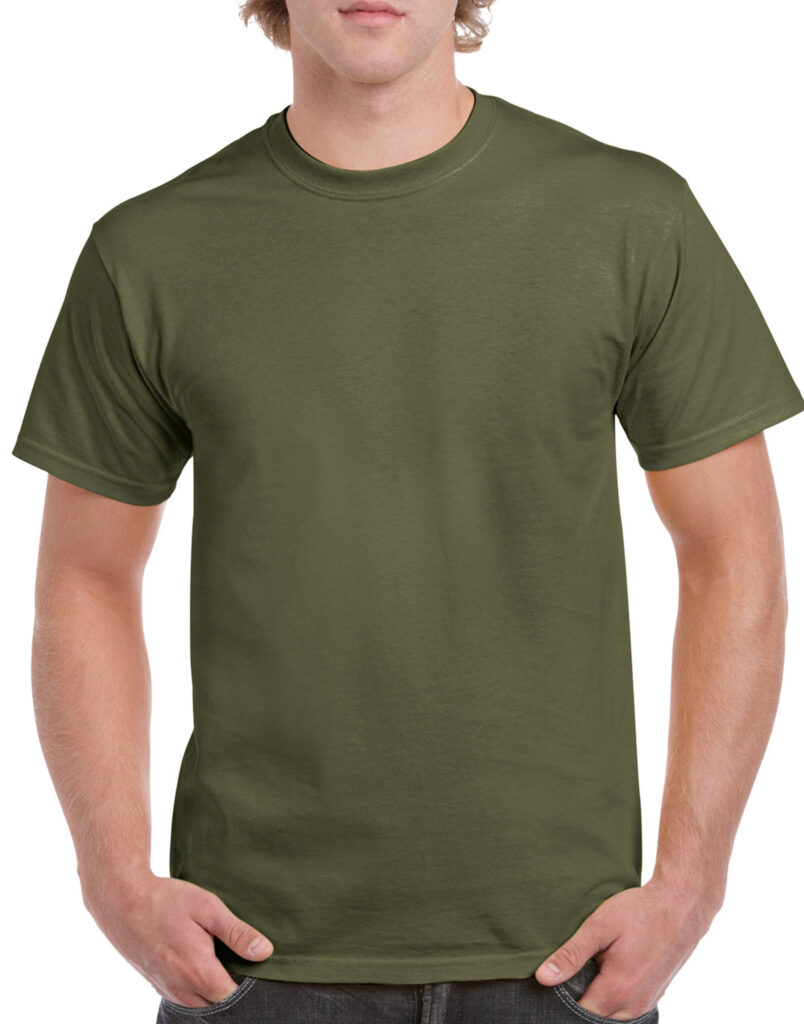
Choosing the right T-shirt for printing is just as important as the design itself. The wrong fabric, fit or weight can lead to faded prints, uncomfortable wear, or unhappy customers. Whether you’re ordering custom T-shirts for a business, event, brand or personal use, understanding these basics will help you get the best possible result.
In this guide, we’ll break down fabric, fit, and weight in plain English — so you can confidently choose the best T-shirt for printing.
Why T-Shirt Choice Matters for Printing
Not all T-shirts are created equal. Some are designed for fashion, others for durability, and some specifically for printing. The type of T-shirt you choose affects:
- Print quality and sharpness
- How long the design lasts
- Comfort and wearability
- Overall value for money
A great print on a poor-quality T-shirt won’t last — and a great T-shirt with the wrong fabric can ruin the print.
1. Best Fabric for Printed T-Shirts
Fabric is the most important factor when choosing a T-shirt for printing.
100% Cotton (Most Popular Choice)
Best for: Screen printing, DTG (Direct to Garment), everyday wear
Pros:
- Excellent print quality
- Soft and breathable
- Durable and comfortable
- Natural feel customers love
Cons:
- Can shrink if not pre-shrunk
- Slightly more expensive than blends
👉 Best option for most custom t-shirt orders, especially logos, text, and detailed designs.
Cotton / Polyester Blends (50/50 or Tri-Blend)
Best for: Lightweight fashion tees, athletic wear
Pros:
- Less shrinkage
- More wrinkle-resistant
- Lightweight and soft
- Modern fitted look
Cons:
- Prints may appear slightly muted
- Not ideal for all print methods
Blends are great if you want a softer, slimmer-fit t-shirt, but they’re not always the best choice for bold, vibrant prints.
100% Polyester
Best for: Sublimation printing, sportswear
Pros:
- Extremely durable
- No shrinkage
- Moisture-wicking
Cons:
- Not suitable for standard screen printing
- Less breathable than cotton
- Can feel synthetic
Unless you’re specifically doing sublimation printing, polyester isn’t recommended for most custom t-shirt projects.
2. Choosing the Right T-Shirt Fit
Fit affects both comfort and how the print looks on the body.
Classic / Regular Fit
Best for: Workwear, events, promotions, bulk orders
- Straight cut
- Comfortable for all body types
- Most universally accepted fit
This is the safest option if you’re ordering for a large group or mixed audience.
Slim / Fashion Fit
Best for: Brands, retail, modern merchandise
- Tighter around chest and arms
- Tapered waist
- Trendy appearance
Keep in mind: slim fits can feel tight for some customers. Always consider your audience.
Oversized Fit
Best for: Streetwear brands, fashion drops
- Loose, boxy shape
- Works well with large prints
- Popular with younger audiences
Oversized t-shirts are growing in popularity but should be chosen intentionally, not by default.
3. Understanding T-Shirt Weight (GSM Explained)
T-shirt weight is measured in GSM (grams per square metre). This affects durability, feel and print performance.
Lightweight (130–150 GSM)
Best for: Summer wear, promotional giveaways
- Light and breathable
- Lower cost
- Less durable
Prints can look good but won’t last as long with heavy washing.
Midweight (160–180 GSM)
Best for: Most custom T-shirt printing
- Ideal balance of comfort and durability
- Holds prints well
- Suitable year-round
👉 This is the most popular and recommended weight for printed T-shirts.
Heavyweight (190–220+ GSM)
Best for: Premium brands, workwear, streetwear
- Thick and durable
- High-end feel
- Excellent print longevity
Slightly more expensive, but perfect if you want a premium result.
Best T-Shirt for Printing (Quick Recommendations)
If you want a simple answer:
- Fabric: 100% cotton
- Fit: Regular or modern slim (depending on audience)
- Weight: 160–180 GSM
This combination works for:
- Logo printing
- Business t-shirts
- Events and promotions
- Merchandise and resale
Common Mistakes to Avoid When Ordering Printed T-Shirts
- Choosing fabric based on price alone
- Ignoring GSM (too thin = poor durability)
- Picking slim fits for large group orders
- Using polyester for standard screen printing
- Not considering washing and long-term use
Avoiding these mistakes saves money and prevents disappointment.
Final Thoughts
The best t-shirt for printing isn’t just about looks — it’s about fabric quality, correct fit, and the right weight for your purpose. Spending a little more time choosing the right base t-shirt will dramatically improve print quality, comfort and longevity.
If you’re unsure, a midweight 100% cotton t-shirt with a regular fit is always a safe and professional choice.
Ready to order printed t-shirts?
Explore our range of high-quality T-shirts ideal for printing, available in multiple fits, fabrics and weights — perfect for businesses, events and brands.